When considering home security, understanding what makes a door lock secure is crucial. A reliable door lock protects your home and provides peace of mind. Yet, not all locks are created equal. Many people assume that any lock will suffice, but this belief can lead to vulnerability.
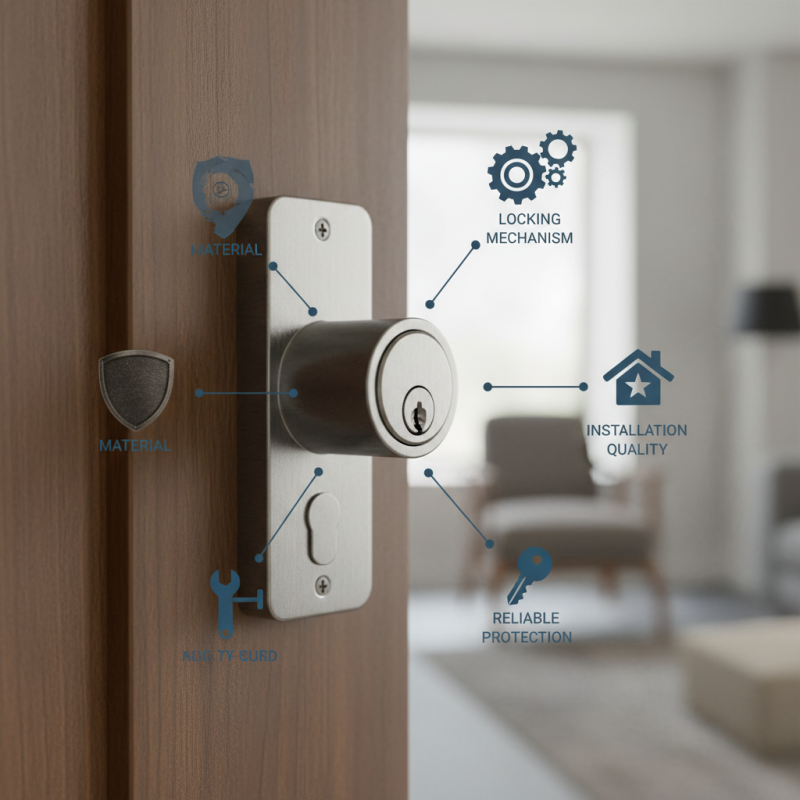
To ensure your home remains safe, it's essential to focus on specific factors that contribute to lock security. These include the material of the lock, the locking mechanism, and its installation quality. Each of these elements plays a significant role in overall effectiveness. Choosing the right lock involves understanding these components deeply.
In today's world, where security threats are ever-present, a weak door lock can become an easy target for intruders. Reflecting on your current security measures is key. Have you upgraded your locks recently? Are they made from durable materials? Answering these questions can help you assess your home's security.
Types of Door Locks and Their Security Features
When securing your home, the type of door lock significantly impacts safety. Keyless entry systems are growing in popularity. These locks use codes or biometrics, making it harder for unauthorized individuals to gain access. According to a report by the Electronic Security Association, homes with smart locks show a 20% decrease in break-ins compared to traditional locks.
Deadbolts remain a standard choice for their durability. A quality deadbolt can withstand significant force. Research from the Security Industry Association reveals that 80% of burglars attempt to bypass locks, with deadbolts often being the first line of defense. They work best when paired with a solid door frame.
Smart locks, however, can pose risks if not updated regularly. Users should ensure firmware is current. Although technology enhances security, it can also introduce vulnerabilities. A 2021 survey indicated that 15% of consumers do not regularly update their devices, potentially leaving them exposed. The balance between modern convenience and traditional durability is crucial in choosing the best solution for home security.
Key Material and Design: Strength and Durability Factors
When considering door locks, the material and design are crucial for security. Strong steel or hardened materials resist drilling and picking. A lock made from quality metal can deter most break-in attempts. Weak materials may look appealing but can compromise safety. Durable locks often include features like reinforced bolts or anti-pick pins.
Design plays an important role. Locks with complex mechanisms add layers of difficulty for intruders. Innovative designs may include unique keyways or internal configurations. These elements require specialized tools for manipulation, making them less vulnerable. Simpler designs may seem convenient but often fall short in security.
It's essential to reflect on the trade-offs. A highly secure lock can be cumbersome to use daily. Balancing ease of use with security is necessary. One must consider the specific environment and level of risk. Investing time in research can lead to better choices. Not all locks are created equal, so careful selection is vital.
Lock Mechanisms: Understanding Pins, Tumblers, and Electronic Systems
When it comes to secure door locks, understanding their mechanisms is crucial. One of the most common locking systems is the pin and tumbler mechanism. This type of lock has multiple pins that prevent the lock from turning unless the correct key is inserted. According to a report by the Security Industry Association, over 70% of residential locks utilize this system. The complexity of the pin arrangement directly impacts security, with more pins offering greater protection.
Electronic locking systems are gaining popularity due to their advanced technology. These locks often use keypads or biometric scanners, allowing users to bypass traditional keys. A study from the International Security Conference noted that about 40% of families feel more secure with electronic locks. However, these systems are not infallible. They can malfunction or be hacked, raising concerns among users.
While many locks appear secure, vulnerabilities exist. Regular maintenance and updates are essential, especially for electronic systems. A malfunctioning lock can provide a false sense of security. Understanding the workings of locks helps users make informed choices. Evaluating a lock's security is an ongoing process, requiring a careful look at both mechanical and electronic options.
Installation Quality: The Importance of Professional Fitting
The security of a door lock often hinges on installation quality. A professionally fitted lock greatly enhances its reliability. According to a report by the Security Industry Association, over 40% of break-ins occur due to improper installation. This highlights the critical nature of expert fitting.
A door lock, regardless of its technology, is only as strong as its installation. Misalignment can create vulnerabilities. For instance, a gap between the door frame and the lock can allow for manipulation. Proper fitting ensures that the lock engages securely and operates smoothly. An estimated 30% of homeowners overlook this aspect, assuming that purchasing a high-quality lock suffices.
Moreover, experience plays a vital role in installation. Professionals possess knowledge about various door types and lock mechanisms. They understand which tools are needed and how to handle each scenario. A poorly installed lock is not merely a risk; it signifies a lapse in judgment that can lead to significant security breaches. Investing in skilled installation is an essential step that can save homeowners from potential crises.
Resistance to Tampering: Evaluating Tools and Techniques for Security
When choosing a secure door lock, assessing its resistance to tampering is crucial. Various tools are commonly used by intruders, including bump keys, lock picks, and drills. A lock that can withstand these methods often employs advanced mechanisms. For example, a high-quality pin tumbler lock might use anti-drill pins that resist drilling attacks effectively.
Additionally, the design of the lock plays a significant role in its security. Some locks feature hardened steel inserts or reinforced housings to deter physical manipulation. However, not all locks are built equally. Many consumers overlook the importance of installing locks that meet specific safety standards. This gap can leave homes vulnerable, raising questions about our choices in home security.
While no lock is entirely tamper-proof, demanding better materials and construction can lead to significant improvements. Security is not just about buying a lock; it is about understanding what makes it effective. Reflecting on these factors can help consumers make informed decisions that enhance their security.
Conclusion
When considering what makes a door lock secure, several key factors come into play. First, there are various types of door locks, each with unique security features that cater to different needs and environments. The material and design of the lock play a crucial role in its strength and durability, greatly affecting its performance in preventing unauthorized access.
Additionally, understanding the lock mechanism, including pins, tumblers, and electronic systems, is essential for evaluating security efficacy. Installation quality cannot be overlooked; professional fitting is vital to ensure the lock functions properly and securely. Lastly, resistance to tampering is a critical component, encompassing the evaluation of common tools and techniques used by intruders. By considering these factors, one can better assess the overall security of a door lock.

 MX Lock